
Three years ago, I thought my coding days were behind me. I always knew how to read code and could communicate with developers in their language, but my comfort zone was Figma, prototypes, and component libraries – design spaces where I could polish experiences while developers translated ideas into reality. Code felt like something I had left behind after university.
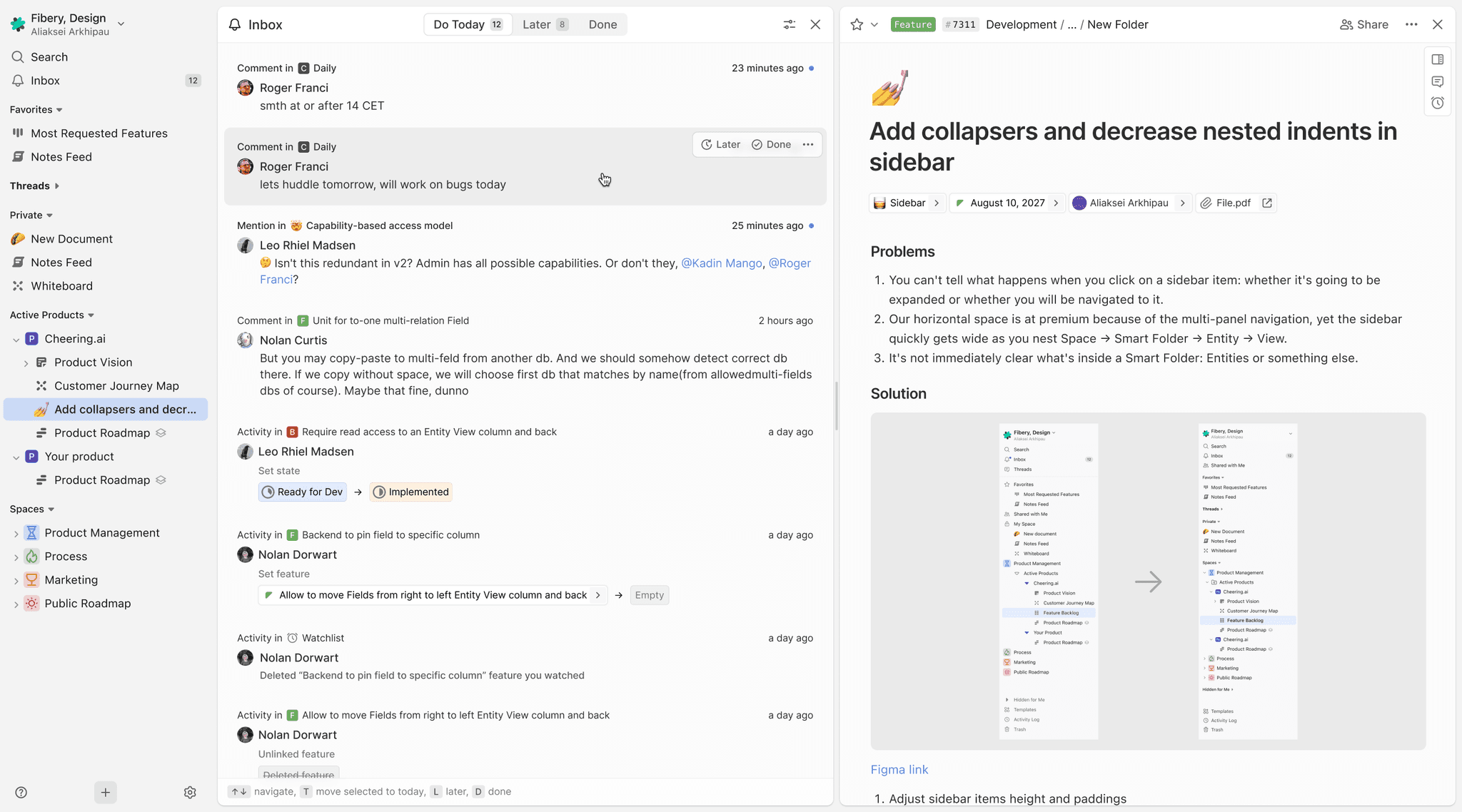
But Fibery changed everything. I joined as the second product designer on a team of 20 developers – small enough that every detail mattered, and cross-functional speed was essential. As a company founded by nerds engineers, Fibery fostered a culture where designers were expected to take ownership: instead of waiting for developers, we were empowered to fix bugs, test ideas, and ship improvements directly in code.
Getting into the code
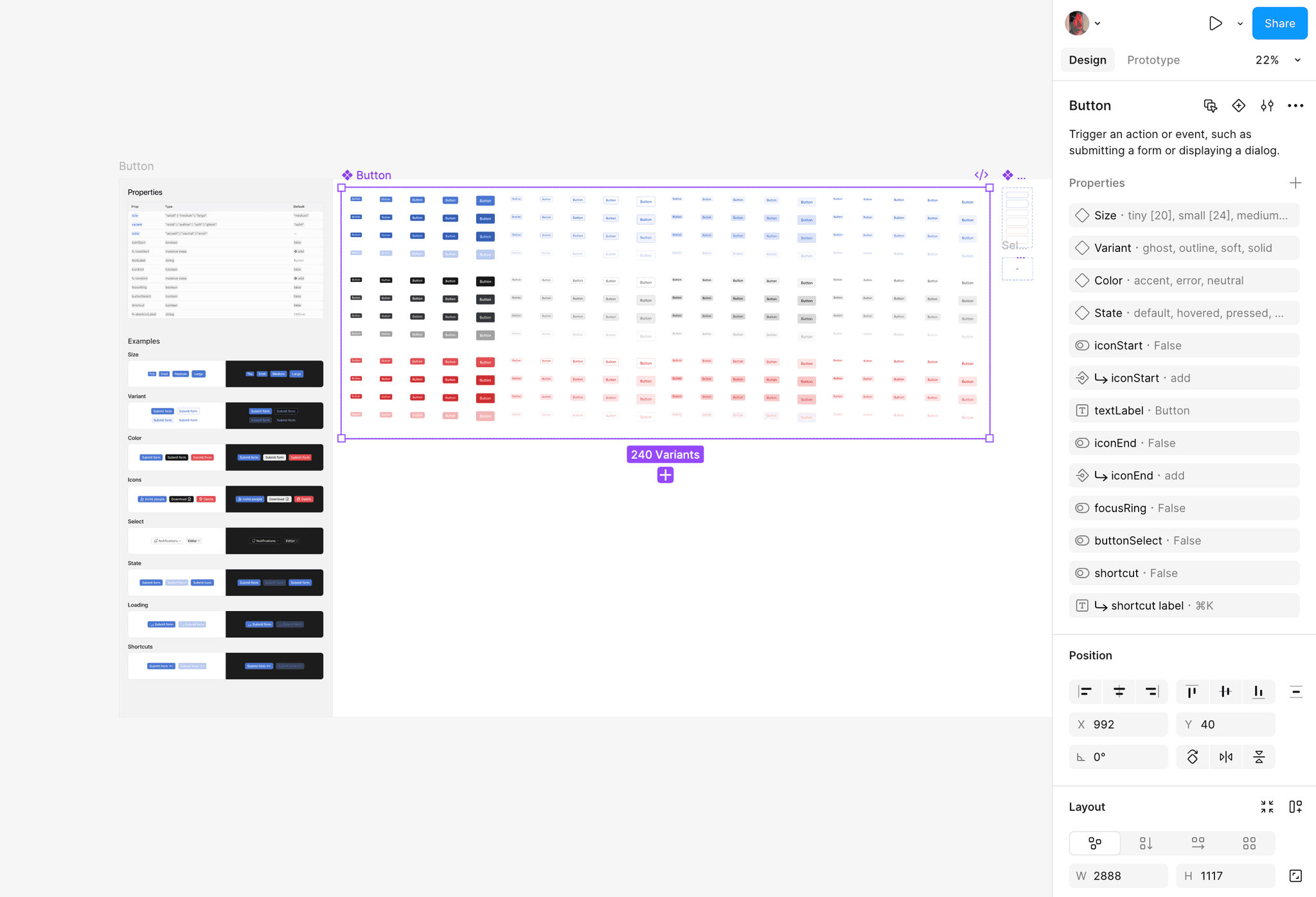
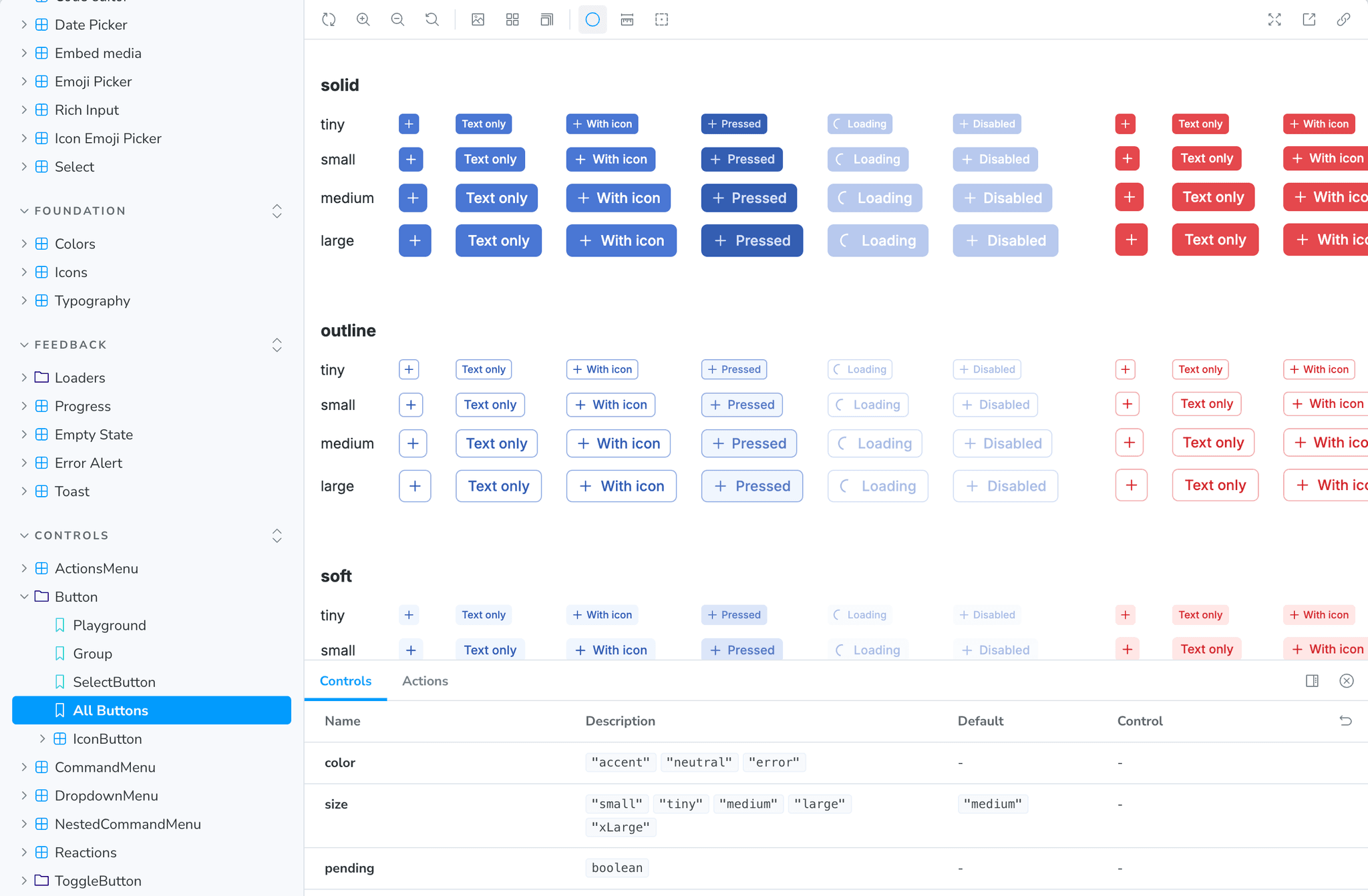
In 2022, I set up Fibery’s UI kit in Figma. Once the foundation was in place, I began experimenting in the codebase. At first, it was small tweaks – fixing alignment issues or hover states. But quickly, this grew into meaningful contributions to the design system and iterating on features alongside full-stack engineers.
The flow was ideal: developers handled the logic we discussed during kickstart meets, while I delivered the look and feel directly in the product.
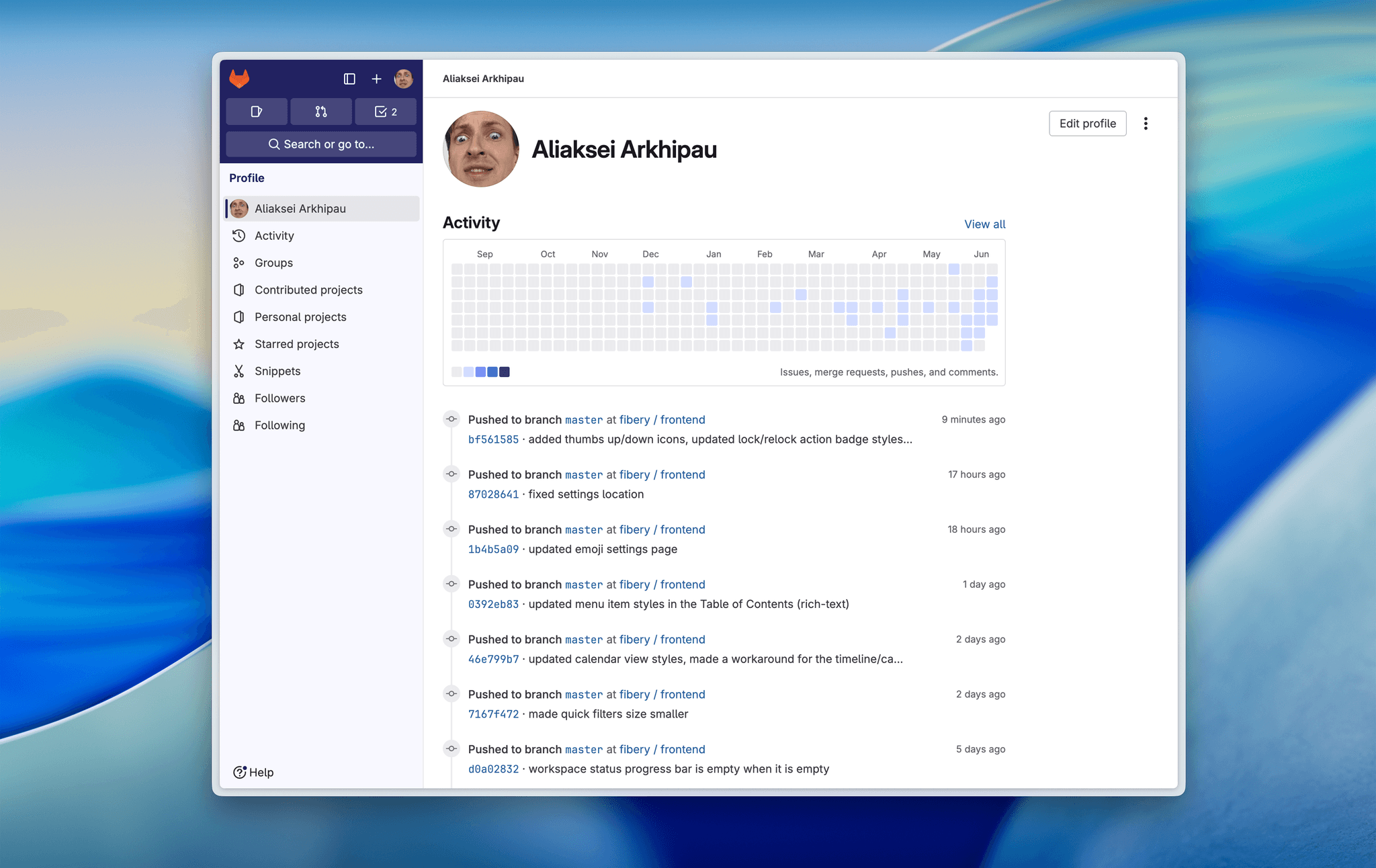
Contributions
70% UI/UX tweaks – alignment, contrast, hover states, icon improvements.
20% design system updates – ensuring consistency across components, maintaining branding.
10% bug fixes & accessibility improvements – spotting issues early and fixing them before they reached users.
This hands-on work blurred the lines between design and engineering. I could implement pixel-perfect solutions, catch inconsistencies proactively, and iterate faster without back-and-forth handoffs.
Expanding to Growth
Later, I joined the Fibery Growth team as a founding designer. My philosophy of usability and simplicity guided the work, whether improving onboarding or refining small details that built user trust.
One quick win: I added an "Invite users" button to the workspace menu and polished the invite modal. It only took 15 minutes, but combined with other PLG initiatives we run, it significantly increased the share of new workspaces that became collaborative.
I resonated with Linear’s concept of Quality Wednesdays – carving out space to refine details. For me, these small but impactful changes aren’t "just polish"; they’re the difference between a product that looks designed and one that feels designed.
Faster delivery – fewer handoffs between design and engineering.
Higher product quality – caught bugs and inconsistencies before release.
Design-driven engineering – shipped improvements directly from design without blocking developers.
Cultural shift – helped shape a workflow where designers didn’t just propose, they built.
Vibe Design Engineer
Getting my hands dirty with code didn’t just make me more technical, it reshaped how I think about design. I no longer "toss mockups over the wall." Instead, I build, test, and ship improvements directly.
The blend of design and engineering isn’t just efficient – it’s becoming essential. In an AI-powered world, designers who can also build are uniquely positioned to deliver high-quality experiences faster, with fewer barriers between idea and reality.
Aliaksei Arkhipau, 2025